
Japanese pour-over coffee makers transcend mere brewing tools; they embody a meticulously crafted aesthetic that blends functionality, artistry, and cultural significance. This deep dive explores the core principles of this design philosophy, examining the interplay of materials, craftsmanship, and the ritualistic aspects of Japanese coffee preparation. From minimalist lines to natural textures, the aesthetic invites contemplation and elevates the everyday act of brewing.
The aesthetic extends beyond the coffee maker itself, encompassing the entire coffee-making experience. It considers how the maker integrates into various spaces, from the modern kitchen to the tranquil study, emphasizing harmony and mindfulness. This approach underscores the Japanese philosophy of appreciating the beauty in simplicity.
Defining the Aesthetic
The Japanese pour-over coffee maker aesthetic transcends mere practicality; it embodies a philosophy of mindful craftsmanship and refined simplicity. This aesthetic, deeply rooted in Japanese design principles, emphasizes the beauty of the process and the quality of the ingredients, creating a unique experience for the coffee enthusiast. It’s a fusion of functionality and artistry, offering a captivating visual narrative that resonates with those seeking a connection to nature and a moment of calm.This aesthetic is not merely about the appearance of the coffee maker; it’s about the entire ritual surrounding the preparation of the coffee.
The deliberate movements, the careful pouring, the anticipation of the perfect brew, all contribute to the immersive experience. The materials, colors, and shapes used are meticulously chosen to enhance the sensory experience and create a serene atmosphere.
Core Design Principles
The Japanese pour-over coffee maker aesthetic is fundamentally driven by the principles of minimalism, functionality, and natural harmony. The design prioritizes simplicity, eliminating unnecessary embellishments to focus on the core function. The aesthetic embraces natural materials and tones, drawing inspiration from the surrounding environment and promoting a sense of tranquility. Elements are thoughtfully integrated to create a cohesive and visually appealing whole.
Visual Characteristics
The visual characteristics often associated with this aesthetic are characterized by clean lines, smooth surfaces, and a muted color palette. Materials like ceramic, glass, and bamboo are frequently employed, drawing upon their inherent beauty and tactile qualities. The shapes tend towards organic forms, echoing the natural world, and often feature subtle details, like subtle carvings or hand-painted patterns.
The visual focus is on creating a sense of calmness and elegance.
Material Choices
The selection of materials is crucial in achieving the desired aesthetic. Ceramic, with its inherent warmth and texture, is a popular choice. Its ability to hold heat and maintain temperature throughout the brewing process is also a key consideration. Glass, particularly clear glass, allows for a view of the brewing process, further enhancing the ritual. Bamboo, known for its strength and natural beauty, is frequently used for handles or other supporting elements.
These materials not only enhance the aesthetic appeal but also contribute to the overall experience.
Cultural and Historical Influences
This aesthetic is deeply rooted in Japanese aesthetics like “侘び寂び (wabi-sabi),” which emphasizes the beauty of imperfection, asymmetry, and the passage of time. This philosophy, alongside the emphasis on mindful craftsmanship and natural materials, significantly influences the design of pour-over coffee makers. The aesthetic also reflects a broader cultural appreciation for the art of brewing and the significance of ritual.
The traditional Japanese appreciation for beauty in simplicity and nature is evident in the aesthetic.
Color Palettes, Textures, and Shapes
Common color palettes often feature earthy tones like beige, cream, gray, and muted greens. These colors evoke a sense of tranquility and connection to nature. The textures are often smooth and refined, emphasizing the natural beauty of the materials. Organic shapes, inspired by nature, are prevalent, creating a sense of harmony and balance. For example, a rounded body or a gently sloping handle might be used to evoke the flow of water and the natural world.
Visual Elements
Japanese pour-over coffee makers transcend mere functionality; they embody a unique aesthetic, deeply rooted in the country’s design philosophy. This aesthetic blends traditional craftsmanship with modern sensibilities, resulting in visually captivating objects that elevate the daily ritual of brewing coffee. The careful consideration of materials, color palettes, and lighting techniques all contribute to this distinctive visual appeal.
Design Approaches
Different design approaches to pour-over coffee makers reflect varying cultural and aesthetic preferences. Understanding these approaches provides valuable insight into the visual appeal of each style.
| Design Approach | Description | Aesthetic Impact |
|---|---|---|
| Minimalism | Emphasizes simplicity, clean lines, and a lack of ornamentation. Focuses on functionality and the inherent beauty of the form. | Creates a serene and sophisticated atmosphere. Highlights the process of coffee brewing. |
| Naturalism | Draws inspiration from nature, often featuring organic shapes, natural textures, and warm color palettes. | Evokes a sense of calm and connection to the environment. Creates a comforting and inviting atmosphere. |
| Modernism | Characterized by sleek lines, geometric shapes, and often a neutral color palette. Emphasizes innovation and functionality. | Projects a sense of sophistication and modernity. Creates a clean and contemporary ambiance. |
Materials
The choice of material significantly impacts the visual character of a pour-over coffee maker. Different materials evoke distinct feelings and contribute to the overall aesthetic.
| Material | Description | Aesthetic Impact |
|---|---|---|
| Ceramic | A traditional material in Japanese design, offering a wide range of colors, textures, and glaze options. Often hand-crafted, showcasing the artistry of the maker. | Creates a sense of warmth, craftsmanship, and tradition. Can be highly decorative, depending on the design. |
| Wood | Provides a natural, warm, and earthy aesthetic. The grain patterns and textures of different woods contribute to a unique visual appeal. | Creates a sense of grounding, natural beauty, and tranquility. Often used to complement the warmth of ceramic or glass. |
| Glass | Offers transparency, allowing the coffee brewing process to be visually engaging. Can be clear, frosted, or colored. | Creates a sense of clarity and openness. Highlights the process of brewing, allowing the viewer to observe the interaction between water and coffee grounds. |
Popular Designs
Several Japanese pour-over coffee makers have gained popularity due to their unique visual appeal.
- The Hario V60 is a widely recognized design. Its distinctive cone shape and the ability to observe the brewing process are appealing. The clean lines and neutral color palettes, often white or light grey, make it a versatile choice for various kitchen settings.
- Many ceramic pour-over coffee makers feature intricate patterns and hand-painted designs, showcasing traditional Japanese artistry. The vibrant colors and unique patterns add a touch of elegance and personalization.
- Wood-bodied pour-over makers, often made from bamboo or maple, incorporate natural textures into the design. The grain of the wood and warm tones create a natural and inviting ambiance, drawing a connection with nature.
Color Palettes
Color palettes in Japanese pour-over coffee makers often reflect a sense of calm and harmony.
- Neutral tones like white, beige, and light gray are frequently used, promoting a sense of serenity and minimalism.
- Earthy tones like brown, gray, and muted greens are popular for natural aesthetic pieces.
- Subtle variations in color, such as gradients and subtle glaze effects, are also common in ceramic designs, enhancing the visual interest without overwhelming the overall aesthetic.
Lighting
Proper lighting can significantly enhance the visual perception of a pour-over coffee maker.
- Natural light, particularly soft diffused light, highlights the subtle textures and colors of the materials, creating a warm and inviting ambiance.
- Indirect lighting, such as ambient light from a lamp, can add depth and highlight specific features of the design, creating a sense of sophistication.
- Warm lighting tones, such as soft yellow or amber, can complement the natural materials and create a cozy atmosphere, while cool tones can accentuate modern or minimalist designs.
Functionality and Craftsmanship
The Japanese pour-over coffee maker aesthetic transcends mere practicality; it embodies a philosophy of mindful creation and refined function. This approach emphasizes the interplay between the physical object and the ritual of preparation, creating a seamless experience from bean to brew. The aesthetic’s inherent functionality is not simply about achieving a good cup of coffee, but about the entire process, highlighting the craftsmanship that goes into every element.The careful design of these makers, rooted in centuries-old Japanese traditions, prioritizes both the efficiency of the brewing process and the beauty of the final product.
This harmony between form and function, a hallmark of Japanese design principles, is crucial to the aesthetic’s enduring appeal. It speaks to a deeper appreciation for the act of preparation, elevating coffee brewing into an art form.
Significance of Functionality
The design of a Japanese pour-over coffee maker is meticulously crafted to optimize the extraction of flavor from the coffee grounds. The shape and size of the filter, the pouring mechanism, and the vessel all contribute to the ideal extraction process. The focus on functionality extends beyond simply achieving a good cup; it’s about appreciating the nuanced steps in the brewing process and ensuring every aspect enhances the overall experience.
Role of Craftsmanship
Craftsmanship is integral to the aesthetic, often evident in the use of high-quality materials like ceramic or porcelain. The meticulous attention to detail in the design, from the subtle curves of the carafe to the precise fit of the filter, showcases the skill and dedication of the artisans. This dedication to quality extends to the selection of materials, ensuring longevity and enhancing the tactile experience.
The resulting piece is not merely a tool but a testament to the artistry involved in its creation.
Importance of Balance and Harmony
The aesthetic’s emphasis on balance and harmony is evident in the visual composition of the maker. Elements like the proportions of the pot, the angle of the handle, and the overall form work in concert to create a sense of visual equilibrium. The color palette often reflects the natural world, further contributing to the serene and harmonious atmosphere.
This balance is not just visual; it reflects the harmonious interplay between the brewer, the coffee, and the process itself.
Design Features Enhancing Brewing
Several design features contribute significantly to the brewing process. The shape and size of the pour-over vessel often are designed for optimal water flow and even saturation of the coffee grounds. The use of a specific filter design helps prevent over-extraction or channeling, resulting in a more balanced cup. The placement of the handle, often designed for comfortable and precise pouring, contributes to the ritualistic nature of the brewing process.
Reflection of the Coffee Preparation Ritual
The design of the Japanese pour-over maker directly reflects the ritual of Japanese coffee preparation. The focus on slow, deliberate movements during the pouring process, mirroring traditional Japanese aesthetics, enhances the appreciation for the brewing process. The emphasis on the tactile experience—the feel of the pot, the weight of the carafe—contributes to a mindful and contemplative approach to coffee preparation.
The maker, therefore, becomes an extension of the brewer, guiding them through a thoughtful and aesthetic experience.
Space and Setting
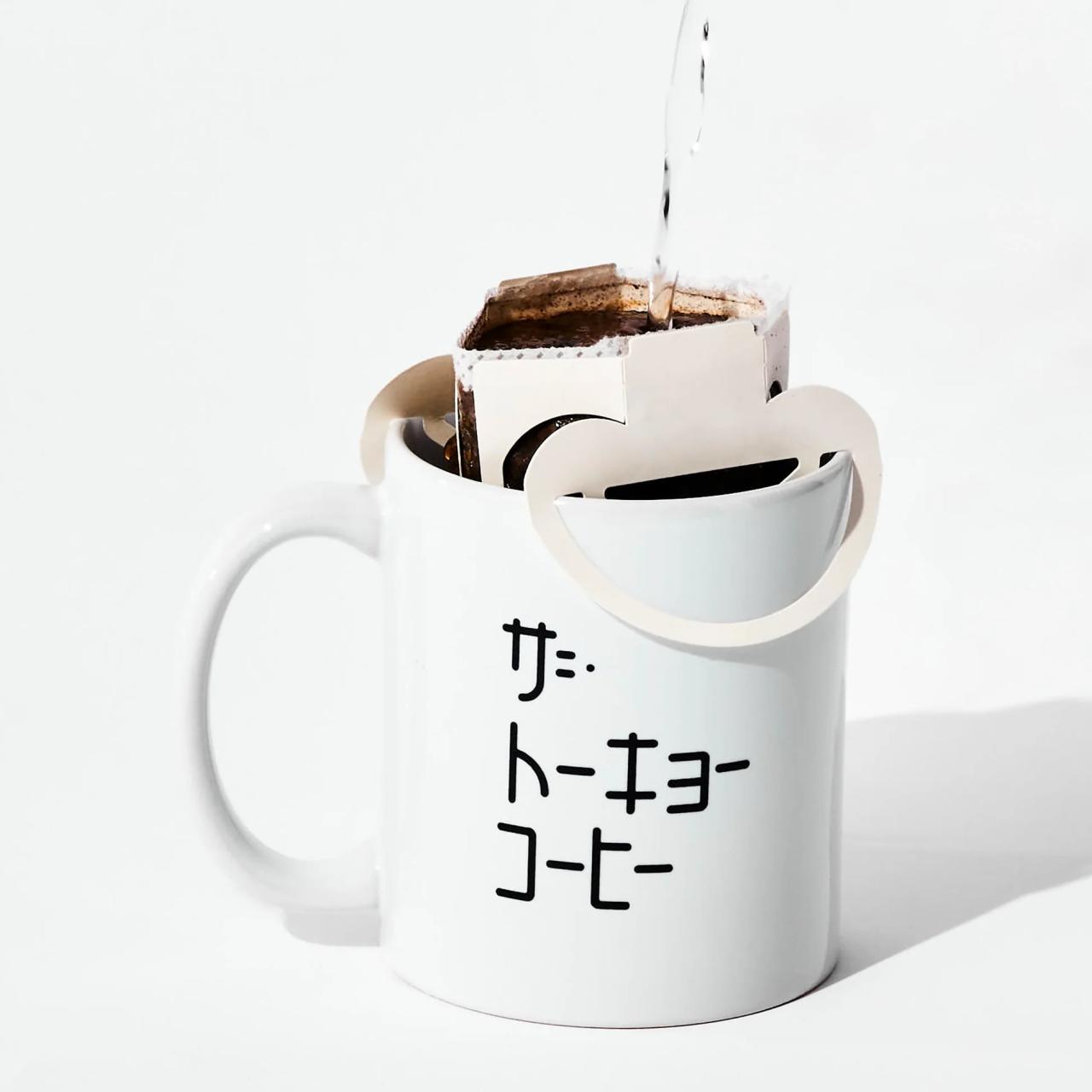
The Japanese pour-over coffee maker aesthetic transcends mere functionality; it crafts an atmosphere conducive to mindful appreciation. This aesthetic, with its emphasis on simplicity, natural materials, and a calming color palette, seamlessly integrates into various spaces, transforming the act of brewing coffee into a meditative ritual. This integration fosters a connection between the brewer and the beverage, enhancing the overall sensory experience.The aesthetic’s ability to adapt to different settings allows it to complement various lifestyles and preferences.
A harmonious balance between the aesthetic’s core principles and the environment’s unique characteristics is key to maximizing its impact.
Room Setting Adaptations
The Japanese pour-over aesthetic adapts gracefully to diverse environments. Its core principles of minimalism and natural elements provide a versatile framework.
| Room Setting | Aesthetic Adaptation |
|---|---|
| Kitchen | The aesthetic’s clean lines and muted color palettes complement a kitchen’s functionality. Natural wood elements, like a bamboo cutting board or a simple wooden tray, can serve as a practical display for the brewing equipment. Minimalist shelving units, showcasing only essential items, maintain a clean aesthetic. |
| Living Room | The aesthetic enhances a living room’s ambiance by introducing a serene, meditative corner dedicated to coffee brewing. A low coffee table, a natural woven rug, and soft lighting can transform the area into a tranquil space. |
| Study | In a study, the aesthetic can foster a focused and productive atmosphere. A minimalist desk with a natural wood surface can house the brewing equipment, while subtle green plants and a calming color scheme can promote concentration and reduce stress. |
Incorporating Enhancing Elements
Strategically placed elements can amplify the aesthetic’s impact.
- Plants: Incorporating a few strategically placed plants, such as small succulents or low-maintenance ferns, can introduce a touch of nature and create a more serene atmosphere. Consider the height and leaf patterns to maintain a sense of balance and harmony.
- Accessories: Accessories like minimalist ceramic mugs, wooden coasters, and delicate tea sets can complement the overall aesthetic. These additions, when carefully chosen, should reinforce the aesthetic’s principles without overwhelming the space.
- Lighting: Soft, ambient lighting, like warm-toned lamps or natural light, creates a welcoming and calming ambiance. This enhances the overall experience and highlights the aesthetic’s natural materials.
Creating a Calming Atmosphere
Creating a calming atmosphere is paramount to the aesthetic’s core values. A mindful environment promotes focus and appreciation for the brewing process, enhancing the overall sensory experience.
- Minimalism: Minimalist design principles, focusing on essential elements, reduce visual clutter and promote a sense of tranquility. This deliberate simplicity allows the brewing process to be the focal point.
- Natural Materials: Using natural materials like wood, bamboo, and stone fosters a connection with nature, contributing to a calming atmosphere. The natural textures and tones promote serenity and reduce visual stress.
- Color Palette: A muted color palette, predominantly earth tones, promotes relaxation and enhances the aesthetic’s overall appeal. Colors like warm browns, muted greens, and soft grays evoke a sense of peace and tranquility.
Enhancing Coffee Brewing Enjoyment
The Japanese pour-over aesthetic directly enhances the coffee brewing process by making it a mindful experience. The focus on simplicity and visual appeal transforms the act of brewing into a ritual, encouraging a greater appreciation for the process and the final product.
Materials and Textures
The meticulous selection of materials and textures in Japanese pour-over coffee makers speaks volumes about the aesthetic’s commitment to both functionality and artistry. Beyond the practical considerations of heat retention and durability, the choice of material directly influences the overall visual appeal, creating a harmonious blend of form and substance. This careful consideration extends beyond the obvious, impacting the user experience and connecting with the cultural emphasis on natural beauty.The interplay between material properties and aesthetic impact is complex, ranging from the subtle warmth of wood to the polished elegance of ceramic.
Different textures contribute to the overall experience, invoking a range of sensory responses. The interplay between these elements crafts a unique and captivating aesthetic that is not merely functional but also deeply engaging.
Material Properties and Aesthetic Impact
The materials used in Japanese pour-over coffee makers often highlight natural beauty and the inherent qualities of the raw material. The choice of material significantly contributes to the aesthetic appeal, as evidenced in the following table:
| Material | Unique Properties | Aesthetic Impact |
|---|---|---|
| Ceramic | Excellent heat retention, often crafted with intricate glazes or patterns, offering a wide range of colors and textures. | Creates a sense of warmth and sophistication, often with visually appealing designs that complement the ritualistic nature of coffee preparation. |
| Wood | Natural beauty, warmth, and texture, varying in tone and grain depending on the type of wood used. Often used for handles and bases. | Provides a grounding element, connecting the maker to nature and enhancing the overall aesthetic. The warm tones and textures create a sense of comfort and tranquility. |
| Glass | Transparency, allowing for observation of the brewing process, often featuring a simple, clean aesthetic. Excellent heat resistance and clarity. | Adds a sense of openness and visual appeal. The transparency allows for a direct connection with the brewing process, making it a more engaging experience. |
Textures and Sensory Experience
The range of textures found in these makers, from the smooth, polished surfaces of ceramic to the warm, grainy texture of wood, adds depth and richness to the aesthetic. These subtle variations engage the senses, creating a holistic experience that goes beyond visual appeal. The tactile experience of handling the maker, feeling the warmth of the ceramic, or the subtle grain of the wood, contributes to the overall enjoyment of the process.
Unique and Uncommon Materials
While ceramic, wood, and glass are common, some makers incorporate unique materials, such as bamboo or various types of stone. These choices further enhance the aesthetic appeal by introducing distinct textures and visual elements. For example, a bamboo handle provides a unique tactile experience and adds a natural, organic feel to the design.
Natural Qualities and Aesthetic Enchantment
The natural qualities of the materials, such as the subtle variations in wood grain or the inherent beauty of the ceramic glaze, contribute significantly to the overall aesthetic. These variations enhance the craftsmanship and create a sense of authenticity, highlighting the connection between the maker and the natural world. The makers embody a respect for nature and the raw beauty of materials, echoing Japanese aesthetics.
Cultural Context
Japanese pour-over coffee aesthetics, far from a mere trend, deeply intertwine with the nation’s rich cultural heritage. The meticulous attention to detail, the emphasis on ritual, and the inherent elegance resonate with fundamental Japanese values, setting it apart from other coffee-making traditions. This focus on craftsmanship and mindfulness speaks volumes about the nation’s approach to everyday experiences.
Significance of Coffee Brewing in Japan
The ritualistic aspect of Japanese coffee brewing transcends simple preparation; it becomes a meditative practice. Coffee brewing, in this context, is not just about the beverage itself, but about the experience it embodies. The act of meticulously preparing the brew, from selecting the beans to pouring the water, becomes an opportunity for mindfulness and appreciation of the present moment.
This mindful approach resonates deeply with the broader Japanese cultural ethos of appreciating beauty in simplicity and the value of tradition.
Reflection of Japanese Cultural Values
The aesthetic embodies several key Japanese cultural values. The emphasis on simplicity and elegance, evident in the clean lines and minimalist design of the equipment, mirrors the Japanese appreciation for understated beauty. The dedication to craftsmanship, seen in the meticulous construction and attention to detail of the equipment, underscores the Japanese value for precision and quality. The importance of ritual in Japanese culture finds a parallel in the deliberate steps involved in preparing the pour-over, transforming a simple task into a meaningful experience.
Differences from Other Coffee-Making Traditions
Unlike some Western traditions, which might prioritize speed and efficiency in coffee preparation, the Japanese approach emphasizes the journey of the brewing process. The meticulous attention to detail and the integration of mindfulness distinguishes it from the more casual, often less ritualistic, methods of coffee preparation seen in other cultures. The emphasis on simplicity and the appreciation for the present moment further differentiates the Japanese approach.
Role of Mindfulness and Ritual
The meticulous steps involved in Japanese pour-over coffee preparation, from bean selection to the final pour, are not just functional; they are deeply symbolic. Each step is an opportunity to focus on the present moment, fostering a sense of calm and tranquility. The ritualistic nature of the process transforms the mundane act of brewing coffee into a profound practice of mindfulness, aligning with the core values of Japanese culture.
Importance of Simplicity and Elegance
The beauty of Japanese pour-over coffee lies in its understated elegance. The minimalist design of the equipment, the focus on quality materials, and the appreciation for the subtle nuances of the brewing process all contribute to a harmonious aesthetic. The simplicity of the process, while demanding precision, does not overwhelm the senses. This emphasis on elegance and simplicity mirrors the Japanese appreciation for understated beauty and the profound impact of minimal design.
Modern Interpretations
The enduring appeal of Japanese pour-over coffee makers lies in their meticulous craftsmanship and aesthetic harmony. Contemporary designers are embracing this heritage, infusing it with modern sensibilities to create innovative and functional pieces. This evolution reflects a broader trend of integrating traditional aesthetics with contemporary design principles, fostering a connection between heritage and innovation.Modern interpretations of the Japanese pour-over aesthetic are characterized by a fusion of traditional principles with contemporary design languages.
This fusion often involves a reimagining of traditional materials and techniques, resulting in designs that are both aesthetically pleasing and functionally superior. The key lies in retaining the essence of the original while introducing contemporary elements that resonate with modern preferences.
Adapting Traditional Elements
Modern designers often reinterpret traditional Japanese aesthetics by streamlining shapes, refining proportions, and exploring new material combinations. For instance, the emphasis on minimalism is often amplified, resulting in simpler, more streamlined designs that maintain the elegance of the original forms. The interplay of light and shadow, a crucial element in traditional Japanese aesthetics, is often enhanced through the strategic use of materials and lighting.
This creates a visual dynamism that complements the minimalist approach.
Innovative Materials and Techniques
The use of innovative materials and techniques in modern interpretations is a key differentiator. Contemporary designers explore a wider range of materials, incorporating high-quality metals like brushed stainless steel or polished copper, alongside sustainable materials like bamboo or recycled plastics. These choices not only reflect an increased environmental consciousness but also introduce a unique visual texture and tactile experience.
Furthermore, advanced manufacturing techniques enable more intricate designs and a superior level of craftsmanship, without compromising the aesthetic harmony. The seamless integration of technology and traditional craftmanship exemplifies this evolution.
Evolution of the Core Aesthetic
Contemporary designs evolve the core aesthetic by incorporating new functionalities and ergonomics. For example, some modern pour-over makers incorporate adjustable heights for customized brewing experiences, or integrated scales to measure precise water pouring. These enhancements provide greater control and precision in the brewing process, maintaining the core principles of the aesthetic while adapting to the demands of modern coffee enthusiasts.
The integration of these functionalities, without compromising the aesthetic appeal, showcases a profound understanding of both the traditional principles and modern demands.
Product Design
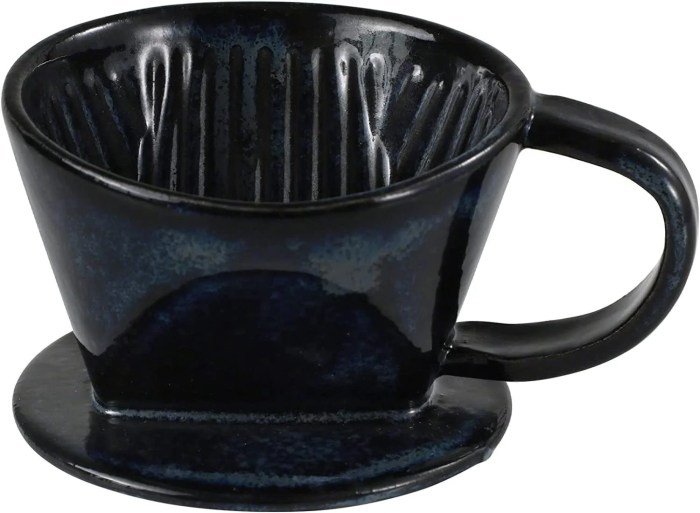
Japanese pour-over coffee makers embody a meticulous approach to design, prioritizing both functionality and aesthetic appeal. The focus on simplicity, often achieved through minimalist forms and natural materials, creates a captivating experience, extending beyond the act of brewing. This meticulous attention to detail is a cornerstone of Japanese design philosophy, influencing the overall product design.The design of these pour-over coffee makers transcends mere practicality; it’s a celebration of the ritualistic nature of coffee preparation.
The thoughtfully crafted elements, from the handle to the carafe, contribute to a serene and aesthetically pleasing experience, reflecting the Japanese emphasis on harmony and balance.
Handle Design
The handle design of Japanese pour-over coffee makers often prioritizes comfort and ergonomics. Common features include a smooth, rounded form that conforms to the hand, allowing for a secure grip during pouring. The handle material, often wood or a similar natural material, provides a warm, tactile experience, further enhancing the connection with the brewing process. Some designs incorporate subtle curves and variations in thickness for a balanced feel, ensuring both strength and comfort.
Spout Design
The spout’s design plays a crucial role in precise pouring, contributing to the smooth and controlled flow of coffee. A characteristic of Japanese pour-over makers is a gently curved spout that allows for a consistent flow of coffee without splashing. The material of the spout is usually ceramic or metal, carefully selected for its ability to retain heat and provide a smooth pouring experience.
The spout’s shape is often designed to minimize dripping, a key element in the aesthetic of the brewing process.
Carafe Design
The carafe is more than just a vessel; it’s a key component in the overall aesthetic. A Japanese pour-over carafe is typically made from glass or ceramic, highlighting the transparency of the brewing process and showcasing the colour and texture of the coffee. The design often emphasizes clean lines and a minimalist form, echoing the broader Japanese design principles.
The carafe shape may be slightly tapered or have a rounded base for stability and ease of use. The size of the carafe is often tailored to the intended use, reflecting the Japanese concept of “omotenashi” (hospitality), ensuring sufficient capacity for multiple cups of coffee.
Different Designs and Features
- Hario V60: The Hario V60, a popular choice, features a cone-shaped filter holder that facilitates controlled brewing and allows for a more nuanced coffee experience. The cone shape ensures even extraction, contributing to the smooth and balanced taste. The sleek, simple design of the V60 complements the minimalist aesthetic.
- Chemex: The Chemex, while not strictly Japanese, has gained popularity in Japan for its elegant design and focus on quality brewing. The Chemex’s distinctive hourglass shape and glass construction highlight the coffee-making process. Its simple, symmetrical design, coupled with the glass construction, underscores the ritualistic aspect of brewing coffee.
- Other models: Many other pour-over makers are inspired by the same design principles, emphasizing the importance of a smooth pouring experience, a stable base, and the presentation of the coffee during brewing. The shape and size of these models may vary depending on the intended use, but the emphasis on a refined design and a harmonious aesthetic remain consistent.
Design Elements Contributing to the Aesthetic
The design elements of Japanese pour-over coffee makers are carefully curated to contribute to a holistic and aesthetically pleasing experience. The use of natural materials, minimalist forms, and attention to detail in handle, spout, and carafe design all combine to create a sense of calm and serenity. The transparency of the brewing process, through the use of glass, further enhances the aesthetic appeal, emphasizing the art of coffee brewing.
The careful selection of materials also contributes to the overall aesthetic and the sensory experience.
Features and Benefits of Different Styles
| Pour Over Style | Features | Benefits |
|---|---|---|
| Hario V60 | Cone-shaped filter, sleek design, precise pouring | Even extraction, nuanced flavour, aesthetically pleasing |
| Chemex | Hourglass shape, glass construction, minimalist design | Controlled brewing, enhanced visual appeal, focus on quality |
| Other models | Variations in shape and size, focus on refined design, harmonious aesthetic | Tailored to specific use, balanced design, enhanced sensory experience |
Inspiration and References

The Japanese pour-over coffee maker aesthetic draws inspiration from a deep well of cultural values and design principles. This aesthetic prioritizes simplicity, functionality, and a harmonious connection with nature, evident in the meticulous attention to detail and the materials used. The approach reflects a broader appreciation for craftsmanship and a commitment to elevating everyday rituals.This refined aesthetic transcends mere practicality, aiming to enhance the sensory experience of coffee preparation.
The interplay of form, function, and cultural context creates a unique and captivating design language, setting it apart from other coffee-making traditions.
Visual References
Japanese aesthetics, particularly those found in traditional tea ceremonies, provide significant visual references. The emphasis on minimalist forms, natural materials, and a tranquil atmosphere is evident in the design choices. The elegance and restraint in Japanese architecture, gardens, and pottery further inform the design approach. Examples include the clean lines and muted color palettes often seen in traditional Japanese homes and gardens, and the delicate craftsmanship of Japanese ceramics.
The use of natural wood tones, subdued colors, and asymmetry contribute to the overall aesthetic.
Cultural Influences
The Japanese aesthetic draws heavily from centuries-old traditions of tea ceremonies, emphasizing mindfulness, harmony, and the appreciation of beauty in the everyday. This reverence for simplicity and natural materials is reflected in the choice of materials, design elements, and overall atmosphere. The emphasis on functionality and practicality is also a core principle of Japanese design, ensuring that the aesthetic is not divorced from the practical aspects of coffee preparation.
The principles of
wabi-sabi*, which celebrates the beauty of imperfection and transience, further influences the design.
Comparison with Other Coffee-Making Traditions
| Aesthetic Principle | Japanese Pour Over | Italian Espresso | French Press |
|---|---|---|---|
| Simplicity | Emphasis on clean lines, minimal ornamentation | Focus on powerful extraction, robust flavor | Emphasis on coarse grind and immersion |
| Natural Materials | Preferring wood, ceramic, and stone | Metal, often stainless steel | Glass, often with metal components |
| Harmony with Nature | Integration of natural elements, organic forms | Less direct emphasis on nature | Less emphasis on natural elements, but often using glass |
| Craftsmanship | High value on skillful execution | Emphasis on precise brewing techniques | Emphasis on the immersion process |
This table highlights how the Japanese aesthetic differs from other traditions. The emphasis on simplicity, natural materials, and the connection to nature sets the Japanese pour-over aesthetic apart.
Design Inspirations
Prominent design aesthetics inspiring the Japanese pour-over coffee maker aesthetic include:
- Japanese Tea Ceremony: The rituals and aesthetics of the tea ceremony, including the use of minimalist tools, high-quality materials, and the focus on mindfulness, directly influence the design of the coffee maker. The tea ceremony’s emphasis on the ritualistic act of preparing and enjoying the tea informs the approach to coffee brewing.
- Japanese Gardens: The principles of simplicity, harmony, and balance in Japanese gardens, exemplified by the use of natural materials and the emphasis on serene spaces, provide inspiration for the design of the pour-over coffee maker. The use of carefully placed stones and plants creates a visually calming atmosphere.
- Traditional Japanese Pottery: The aesthetic principles of Japanese pottery, particularly the focus on simplicity, functionality, and natural materials, profoundly influence the form and function of the coffee maker. The design often echoes the meticulous craftsmanship and beauty of traditional Japanese pottery.
Role of Nature
The integration of natural elements is central to the Japanese pour-over coffee maker aesthetic. Nature serves as a source of inspiration and a visual motif, drawing on the harmony and beauty found in natural forms and materials. The use of natural wood, ceramic, and stone, along with subtle color palettes inspired by nature, underscores the aesthetic’s connection to the surrounding environment.
The inclusion of elements like bamboo or wood grain patterns further enhances this connection.
Design Examples
Design examples reflecting the spirit of Japanese aesthetics include:
- Hario V60: The Hario V60, a popular pour-over brewer, is often cited as a prime example. Its minimalist design, emphasizing functionality and the appreciation of the brewing process, embodies Japanese aesthetics. The form and the materials used contribute to the overall visual appeal and experience.
- Ceramic Pour-Over Makers: Ceramic pour-over makers often feature delicate designs, muted color palettes, and an emphasis on the craft of pottery, reflecting Japanese artistic traditions.
Images and Visual Representation
The visual representation of the Japanese pour-over coffee maker aesthetic is crucial in conveying its essence of tranquility, craftsmanship, and cultural significance. A well-crafted image evokes a sense of serenity, highlighting the meticulous process of brewing and the beauty inherent in the ritual. This section delves into the imagery associated with this aesthetic, exploring its multifaceted nature.
Visual Representation of the Aesthetic
The Japanese pour-over coffee maker aesthetic is characterized by a harmonious blend of natural materials, minimalist design, and meticulous detail. Images often feature warm, muted tones, emphasizing the natural beauty of the process. This is further enhanced by soft, diffused lighting, creating a sense of calm and inviting atmosphere.
Coffee-Making Scene Description
A captivating coffee-making scene might depict a minimalist wooden table, adorned with a simple ceramic pour-over dripper, a sleek Japanese-style kettle, and a small, delicate ceramic mug. The table is subtly lit by natural light filtering through a nearby window, casting soft shadows on the surface. A few dried leaves or branches may be subtly incorporated into the composition, suggesting the connection to nature.
The coffee grounds, meticulously measured and placed in the filter, add a touch of earthy richness to the image. The pourer’s hand, skilled and deliberate, adds a human element to the scene, emphasizing the mindful approach to the brewing process.
Image Featuring a Japanese Pour-Over Coffee Maker
An image featuring a Japanese pour-over coffee maker would showcase a light beige or gray ceramic pour-over dripper, contrasting with the dark, rich brown of the freshly brewed coffee within the ceramic mug. The textures of the ceramic and the wood of the table would be emphasized through subtle lighting, creating a warm and inviting atmosphere. The lighting would be soft and diffused, highlighting the delicate lines and curves of the coffee maker, while casting a soft glow on the table and the surrounding area.
The background could be subtly blurred, drawing attention to the primary subject.
Series of Illustrations/Images
A series of illustrations or images showcasing the Japanese aesthetic in different settings could feature various scenes. One illustration might depict a serene garden setting, with a minimalist wooden table and a Japanese pour-over coffee maker, emphasizing the harmony between nature and the brewing process. Another illustration might focus on the meticulous hand movements involved in the pouring process, highlighting the precision and attention to detail inherent in the ritual.
Further illustrations could depict the coffee maker in a modern interior space, or in a traditional Japanese tea house, showcasing its adaptability across diverse settings.
Detailed Visual Descriptions for Various Images
- Image 1: Morning Ritual: A softly lit interior scene. A Japanese-style wooden table, with a light gray ceramic pour-over dripper, sits on top. A Japanese-style kettle, with a sleek, dark finish, rests nearby. The coffee is brewing, with steam rising gently into the air. The background is a blurred backdrop of a Japanese garden.
The overall color palette is muted and warm, emphasizing the natural materials.
- Image 2: Zen-like Focus: Close-up view of a person’s hands meticulously pouring hot water over coffee grounds in a ceramic pour-over dripper. The focus is sharp on the hands and the dripper, while the background is out of focus, creating a sense of calm and concentration. The lighting is soft and even, highlighting the intricate details of the pouring process.
The color palette is primarily earth tones.
- Image 3: Modern Interpretation: A contemporary apartment. A sleek, minimalist table holds a Japanese pour-over coffee maker. The coffee maker is a sophisticated black ceramic, contrasting with a warm-toned wooden table and modern minimalist chair. Natural light floods the room. The colors are modern and sophisticated, but maintain the overall aesthetic of simplicity and refinement.
Comparison to Other Styles
The Japanese pour-over aesthetic, rooted in meticulous craftsmanship and a deep respect for the brewing process, stands apart from other coffee traditions. Its unique approach contrasts sharply with the more immediate and often louder Italian espresso tradition, or the minimalist Scandinavian emphasis on functional simplicity. Understanding these distinctions illuminates the unique appeal of the Japanese approach.The core philosophies underpinning each style reveal significant differences.
The Italian emphasis is on extraction and intense flavor, often delivered in a short, concentrated burst. Scandinavian aesthetics prioritize clean lines and functionality, with a focus on efficient, everyday use. The Japanese method, in contrast, places value on the ritualistic preparation, the appreciation of the nuanced flavors, and the experience of the process itself.
Unique Aspects of the Japanese Aesthetic
The Japanese aesthetic prioritizes a mindful approach to coffee preparation. This is reflected in the deliberate movements, the precise measurements, and the meticulous attention to detail during the brewing process. It’s not simply about the end product, but the entire journey. This contrasts with the more immediate and often faster-paced approach found in other traditions.
Design Elements Differentiating the Japanese Style
The design elements of Japanese pour-over coffee makers often feature natural materials like ceramic or wood. The aesthetic typically employs a muted color palette, drawing inspiration from Japanese gardens or traditional tea ceremonies. This contrasts with the bolder, often brighter colors and designs seen in some Italian espresso machines or the streamlined minimalism of Scandinavian designs. The emphasis on subtly textured surfaces and organic shapes contributes to a serene and contemplative atmosphere.
The attention to detail in the construction, from the pouring spout to the handle design, adds to the overall experience.
Material, Texture, and Color Differences
The materials frequently used in Japanese pour-over coffee makers, like high-quality ceramic, emphasize the natural beauty of the materials. This is different from the often more industrial materials used in Italian espresso machines or the smooth, often matte finishes of Scandinavian designs. The textures of Japanese ceramic often display subtle variations, adding depth and visual interest, and the muted color palettes, often earth tones or delicate pastels, evoke a sense of tranquility and harmony.
These choices create a stark contrast to the vibrant hues frequently found in Italian espresso machines.
Philosophical Differences in Coffee-Making Styles
The Italian approach is rooted in a desire for intense flavor and immediate gratification. The emphasis is on speed and efficiency. Scandinavian design, conversely, prioritizes clean lines, functionality, and minimalism. The Japanese tradition, however, is built around a mindful ritual, where the process of brewing is almost as important as the final cup. This focuses on the entire sensory experience, the appreciation of the craftsmanship, and the harmony between the maker and the brew.
This philosophy distinguishes it significantly from other coffee-making styles.
Last Word
The Japanese pour-over coffee maker aesthetic represents a harmonious blend of form and function, deeply rooted in Japanese cultural values. This exploration of design principles, materials, and cultural influences reveals how a simple act of brewing coffee can become a mindful ritual. The aesthetic’s enduring appeal lies in its ability to elevate the coffee experience, transforming it into a moment of quiet contemplation and appreciation.
